Signal Hill Insulation Contractor for Cooler Attics and Lower SCE Bills
Signal Hill homes deal with a mix most people don't expect. Dark shingle roofs bake under Southern California sun, and September heat waves push inland temperatures into the 90s and beyond. Marine-layer moisture drifts into vented crawlspaces. Roof rats move into attics across the Long Beach area. If your upstairs feels like an oven, your AC never seems to shut off, or your SCE bill spikes on time-of-use rates, the cause is usually above your ceiling. Safe Barrier Attic Insulation finds where your home is losing the fight and fixes it with insulation built for Climate Zone 6.
We work on homes from every era of Signal Hill. That includes 1920s Craftsman bungalows in Crescent Heights, post-war stucco ranches along the Cherry Avenue and Spring Street corridors, and slab-on-grade condos and view homes near Hilltop Park. Each one has its own insulation weak points, from shallow attics to hot ducts in shared attic spaces. We also serve neighboring Long Beach neighborhoods like California Heights and Bixby Knolls. Every project comes with honest pricing, careful work, and a simple process.
- ✓Bonded contractor
- ✓Fully insured
- ✓Financing available
- ✓Free, no-pressure quotes
- ✓Serving Signal Hill and a 20-mile radius
- ✓Attic, crawlspace, and spray foam under one roof
Request Your Free Estimate
No obligation. Fast, honest quotes.
Thank you — your request was sent!
A member of the Safe Barrier Attic Insulation team will reach out shortly. Need help now? Call (562) 373-6463.
Why Signal Hill Homes Need the Right Insulation
Signal Hill's climate is mild, so a lot of homeowners figure insulation doesn't matter much here. Spend an afternoon in an attic in October and you'll think otherwise. The hill's weather, its oil-field history, and its local rules all affect what your home needs and how the work gets done.
Climate Zone 6: Attic Heat Is the Real Load
Signal Hill sits in California Energy Commission Climate Zone 6. Winter lows usually land in the mid-40s to low 50s °F, so heating isn't the main problem. Cooling is. Summer highs run in the low-to-mid 80s, and September–October heat waves and Santa Ana events can push the Long Beach area into the 90s and 100s. Dark composition shingles under strong year-round UV heat attics to temperatures well above the outdoor air. Homes near the 365-foot summit get even more sun and wind than the flatlands around them. Rainfall is only about 12 inches a year, but it tends to arrive in sudden winter storms that find roof leaks and soak loose-fill insulation. Then May Gray and June Gloom bring salty, humid air that corrodes foil radiant barriers and duct jackets.
A Housing Stock Shaped by Oil
After Alamitos No. 1 struck oil in 1921, derricks covered the hill for decades, so Signal Hill's housing arrived in waves. The oldest homes are 1900s–1920s Craftsman and California bungalows around Crescent Heights. They usually have raised wood floors, vented crawlspaces, shallow attics, uninsulated walls, and in some cases live knob-and-tube wiring. Post-war stucco ranches and small apartment buildings went up before California's 1978 energy standards and often had little or no insulation. Most hilltop condos, townhomes, and view-lot tracts from the 1980s onward sit on slabs, with the HVAC and flex ducts in the attic. Each era fails in its own way: thin batts in older homes, cold floors in bungalows, and leaky hot ducts in newer homes.
Permits, Title 24, and Local Rules
Signal Hill is its own city, completely surrounded by Long Beach, and it handles its own permits. They go through the Community Development Department's Building & Safety division, not Long Beach. Insulation alterations have to meet Title 24 Part 6 for Climate Zone 6. HVAC changeouts can trigger required attic R-values, duct sealing, and HERS duct-leakage testing. Suspected vermiculite or old asbestos duct wrap falls under South Coast AQMD Rule 1403, and drilling painted walls in pre-1978 homes falls under EPA lead-safe rules. Crescent Heights has historic design review for exterior changes, and hilltop HOAs often require insurance certificates and approval to access shared attics.
What Signal Hill Owners Want From an Upgrade
Signal Hill has roughly 11,000–12,000 residents in about 2.2 square miles. Homeowners here include long-time bungalow owners, dual-income commuters in hilltop condos, and landlords maintaining rental units. Most share the same reasons for upgrading: high SCE time-of-use electricity rates, comfort during heat waves, worries about rodents and dust in the air, and protecting property value in an expensive coastal market. Many also plan to add solar, heat pumps, or mini-splits. Insulation and air sealing are the logical first step because they let that equipment be smaller and run less.
Common Insulation Problems in Signal Hill Homes
Most insulation problems in Signal Hill come from three things: the age of the home, local wildlife, and the coastal climate. Some of these problems just cost you comfort and money. Others affect your health or safety. Here's what we find most often in attics and crawlspaces on and around the hill, and how to spot each one.
Rodent-Contaminated Attic Insulation Serious
Roof rats and mice tunnel through attic insulation, nest in it, and leave droppings and urine behind. Once insulation is contaminated, it loses R-value and can affect your indoor air through ceiling penetrations and leaky return ducts.
Why it's common hereRoof rats are common throughout the Long Beach area, and Signal Hill's mature landscaping, palm trees, and closely spaced older homes give them easy routes onto roofs. Older bungalows and ranches have gaps at eaves, vents, and rooflines where framing has shifted over time, including movement along the Newport-Inglewood fault. Mild winters mean rodent populations never really die back. Once rats settle into soft loose-fill or batts, they rarely leave on their own. A homeowner may not notice until there's an odor or the sound of scratching at night.
Signs you'll notice- Scratching or scurrying overhead at night
- Droppings visible on insulation or near the attic hatch
- Tunnels, flattened trails, or nests in the insulation
- Musty or ammonia-like odor in upstairs rooms
- Chewed wiring, duct jackets, or vent screens
- Allergy symptoms that get worse indoors
Most common in pre-1980 homes in Crescent Heights and along the Cherry Avenue and Spring Street corridors, and in nearby California Heights and Bixby Knolls, where mature trees touch rooflines. Activity usually picks up in fall and winter, when rodents look for warm shelter.
Our fix: We remove the contaminated insulation by vacuum, sanitize the attic, seal the entry points, and install fresh blown-in or batt insulation to the right Title 24 R-value.
Thin, Compressed, or Uneven Attic Insulation Moderate
Many older attics have only a few inches of settled fiberglass batts or loose-fill, often well below today's recommended levels. Gaps, compressed areas, and bare spots let summer attic heat move straight into the rooms below.
Why it's common hereCalifornia didn't require meaningful insulation until its 1978 energy standards. Much of Signal Hill's bungalow and post-war ranch housing was built before then. Insulation that was added later has usually settled, been trampled during cable and HVAC work, or been pushed aside by rodents. Shallow bungalow attics are hard to move around in, so previous installers often left the edges and eaves thin. Under a dark roof in a fall heat wave, those thin spots feel like a heater in the ceiling.
Signs you'll notice- Visible ceiling joists poking above the insulation
- Upstairs or whole-house heat in the late afternoon
- AC or mini-split running constantly in September
- Ceilings that feel warm to the touch on hot days
- Uneven depth, with bare patches near the eaves
- Summer SCE bills well above those of similar homes
We see this most often in 1920s–1970s homes around Signal Hill Park, the Civic Center, and the Willow Street corridor, and in Long Beach's Zaferia and Wrigley neighborhoods. Owners who've recently added window units or mini-splits tend to notice the problem first.
Our fix: We air-seal the attic floor, then blow in fiberglass or cellulose to reach the Title 24 Climate Zone 6 target. That usually means R-38 or more, with even coverage all the way to the eaves.
Leaky, Under-Insulated Attic Ductwork Moderate
Flex ducts and supply boxes in hot attics often leak at the joints or have thin, damaged insulation jackets. Cooled air ends up heating the attic instead of your rooms, and hot attic air can get pulled into the return.
Why it's common hereMost hilltop condos, townhomes, and 1980s–2000s view homes sit on slabs, so the HVAC and ducts are in the attic. On sunny days, those attics get far hotter than the air outside. Ducts from that era were often installed with loose connections and low-R jackets. Marine-layer salt air also corrodes foil-faced duct wrap over time. Under SCE time-of-use rates, the cost of that lost cooling is highest in the late afternoon, which is exactly when the attic is hottest.
Signs you'll notice- One or two rooms that never cool down
- Weak airflow at registers farthest from the unit
- Crushed, torn, or disconnected flex duct in the attic
- Corroded or peeling foil duct jackets
- Dust streaks around ceiling registers
- High bills during the 4–9 p.m. peak period
Common in hilltop and summit developments near Hilltop Park and Discovery Well Park, and in the newer tracts along the slopes. Shared condo attics can make access harder and may require coordination with the HOA.
Our fix: We seal the duct joints and boots, re-wrap or replace damaged ducts with properly rated insulation, and add attic insulation above and around them. If HERS testing applies, we coordinate it.
Cold, Uninsulated Raised Floors and Damp Crawlspaces Moderate
Raised-floor homes with vented crawlspaces often have no insulation under the floor at all. The floors feel cold in winter, and moist marine air and pests can move in through gaps in the subfloor.
Why it's common hereSignal Hill's oldest Craftsman and bungalow homes were built on raised wood foundations long before energy codes existed. Winter nights in the mid-40s don't sound cold, but an uninsulated floor over a ventilated crawlspace pulls heat out all night. In late spring the marine layer pushes humid, salty air through foundation vents. If the wrong insulation goes under the floor, or it's installed carelessly, it traps that moisture against the wood framing.
Signs you'll notice- Floors that are cold underfoot on winter mornings
- Musty smell coming up through floor registers
- Drafts at baseboards and plumbing penetrations
- Sagging or fallen old batts in the crawlspace
- Evidence of rodents or other pests under the house
- Condensation on pipes or ductwork in the crawlspace
Concentrated in the Crescent Heights Historic District and older blocks near Signal Hill Park, and in Long Beach's California Heights and Rose Park. Interior crawlspace work avoids triggering historic review of exterior changes.
Our fix: We clear out debris and failed batts, seal floor penetrations, and install properly supported underfloor insulation designed to let moisture escape rather than trapping it against the framing.
Storm-Soaked Insulation From Roof Leaks Emergency
When a winter storm finds a roof leak, loose-fill and batts soak up the water, flatten, and lose most of their R-value. Wet insulation holds moisture against the drywall and framing, which can lead to mold and ceiling damage.
Why it's common hereSignal Hill gets only about 12 inches of rain a year, so leaks often go unnoticed for months. Then one heavy November-to-March storm dumps water on a flashing failure nobody knew about. Homes near the summit take more wind-driven rain than homes in the flatlands. Older roofs, and framing that has shifted with fault movement, give the water more ways in. Because attics here are dry most of the year, owners often don't check them after a storm.
Signs you'll notice- Water stains or bubbling paint on the ceiling
- Sagging drywall below the attic
- Matted, clumped, or discolored insulation
- Musty odor after rain
- Dripping at light fixtures or the attic hatch
- Visible daylight or staining at roof sheathing
Most common after the first big storm of the season on hilltop and slope homes, and in older Craftsman roofs around Crescent Heights. Reroofs can also trigger Title 24 requirements, so it helps to plan the insulation work alongside the roof repair.
Our fix: Once the roof is repaired, we remove the wet insulation, check the area for moisture and mold, let the attic dry, and reinstall insulation to current Title 24 levels.
Suspected Vermiculite, Asbestos, or Knob-and-Tube Wiring Serious
Some early-1900s homes have pebbly vermiculite insulation, old asbestos duct wrap, or live knob-and-tube wiring. None of these can simply be covered over or disturbed. They need testing and evaluation before any insulation work starts.
Why it's common hereSignal Hill's oldest housing dates from the same era when vermiculite and asbestos-containing products were common. Knob-and-tube wiring was also standard then, and it needs open air around it to shed heat. Burying it in insulation can be a fire hazard. Disturbing suspected asbestos falls under South Coast AQMD Rule 1403 and Cal/OSHA rules. Many owners of older homes don't know what's in their attic until someone looks.
Signs you'll notice- Gray-brown or gold, pebble-like loose-fill
- White or gray wrap on old ducts or pipes
- Porcelain knobs and tubes along the attic joists
- Cloth-insulated wiring in the attic
- Popcorn ceilings original to the house
- A home built before 1950 with original systems
Concentrated in the Crescent Heights Historic District and pre-war blocks of Signal Hill, Wrigley, and Zaferia. These materials often turn up during sales, refinances, or electrification upgrades.
Our fix: We stop work, recommend testing and an electrician's evaluation, coordinate with licensed abatement when it's required, and then insulate safely once the attic is cleared.
Unsealed Can Lights and Attic Penetrations Minor
Older recessed lights, plumbing stacks, wiring holes, and top plates often leave open paths between the living space and the attic. Air leaks through these gaps can undercut even thick insulation.
Why it's common hereSignal Hill homes have been remodeled many times over the decades, and each round of rewiring, new lighting, and HVAC work cut new holes in the ceiling. Few of them were ever sealed. Over time, framing movement along the fault opens gaps at top plates. In Climate Zone 6, these leaks let hot attic air and dust in during heat waves and let conditioned air escape.
Signs you'll notice- Dust or dark streaks around ceiling lights
- Drafts near light fixtures or the attic hatch
- Insulation pulled back from can lights
- Warm air near the ceiling on hot days
- Dirty insulation above wall top plates
Found across nearly every era of housing, from bungalows to 1990s condos near the Town Center and Willow Street. It's especially common where kitchens and baths were remodeled.
Our fix: We seal penetrations and top plates with foam and fire-rated materials, install covers rated for recessed lights where needed, and then add insulation over the sealed attic floor.
Insulation Services for Signal Hill Homes
Different homes in Signal Hill need different fixes. A 1920s bungalow in Crescent Heights isn't going to need what a 2000s hilltop townhome needs. We offer a full range of insulation services so we can recommend what actually fits your home's construction, budget, and goals. We don't push one product on every job.
Attic Insulation ⭐ Specialty
We inspect, air-seal, and insulate attics so they block heat gain coming down from the roof. This is our core specialty and usually the best-value upgrade for keeping a Signal Hill home comfortable during fall heat waves.
Our approachWe start by measuring the depth and condition of your existing insulation. Then we seal the top plates and penetrations, add baffles at the eaves to keep vents open, and install insulation to the Title 24 Climate Zone 6 target with even coverage throughout.
In Signal Hill, CADark composition-shingle roofs and strong UV make attic heat the main load on Signal Hill homes. A properly sealed and insulated attic floor keeps that heat out of bedrooms and takes pressure off window units, mini-splits, and central AC, especially on hilltop homes that get full sun.
Best for: Pre-1980 homes with thin or settled insulation, upstairs rooms that overheat, and anyone dealing with high SCE time-of-use bills.
Spray Foam Insulation ⭐ Specialty
We apply open- or closed-cell spray foam where it adds the most value, such as sealing roof decks, rim joists, and hard-to-reach cavities. It insulates and air-seals in one application.
Our approachWe assess the roof assembly, ventilation, and moisture conditions before recommending foam. Then we spray to the specified thickness, protect finished surfaces, and confirm full coverage. When it's the right fit, foam can bring attic ducts inside the thermal envelope.
In Signal Hill, CAFor hilltop condos and view homes with HVAC and flex ducts in the attic, foaming the roof deck can turn that hot attic into conditioned space. It's also effective in tight bungalow spaces where batts can't be fitted well.
Best for: Homes with attic-mounted ducts, cathedral or low-slope ceilings, and owners preparing for heat pumps or solar who want the tightest possible building envelope.
Blown-In Insulation
We blow loose-fill fiberglass or cellulose into attics and, where appropriate, enclosed wall cavities. It fills gaps around framing and wiring that batts tend to miss.
Our approachWe use calibrated blowing equipment and depth markers so the insulation reaches its rated R-value. For walls, we drill and patch carefully, following EPA lead-safe practices in pre-1978 homes.
In Signal Hill, CABlown-in insulation is ideal for shallow, irregular bungalow attics. On steep Signal Hill streets, we plan where to stage the truck and how to run the hose ahead of time, so the job goes smoothly without blocking neighbors or tying up tight parking.
Best for: Topping up existing attic insulation, irregular attic framing, and budget-conscious upgrades that still need to meet Title 24 R-values.
Crawl Space Insulation
We insulate raised floors over vented crawlspaces so floors stay warmer in winter. We also seal the gaps where moist air and pests get in.
Our approachWe remove failed batts and debris, seal plumbing and duct penetrations, and install insulation supported tight against the subfloor. Materials and details are chosen so the floor doesn't trap moisture against the framing.
In Signal Hill, CACrescent Heights and older Signal Hill bungalows sit on raised wood foundations exposed to marine-layer humidity. Because this work is entirely inside the crawlspace, it avoids historic design review. If we encounter oil-field-era methane or well concerns, we flag them for the property owner.
Best for: Craftsman and bungalow owners with cold floors, musty crawlspaces, or pest problems below the house.
Insulation Removal
We safely remove contaminated, wet, or failed insulation, including rodent-fouled material. Then we clean the attic so new insulation starts from a sanitary base.
Our approachCommercial vacuum systems pull the old material directly into sealed bags. We clear out debris, sanitize the attic, and seal rodent entry points. If we suspect vermiculite or asbestos, we stop and refer the material for testing.
In Signal Hill, CARoof rats are widespread across Signal Hill and Long Beach, so removal is often the first step. On hillside lots with limited parking, we plan how the bags will be carried out and hauled away so we don't leave messes or block the street.
Best for: Attics with rodent droppings, nesting, odors, storm-soaked insulation, or layers of old material that need to come out before an upgrade.
Insulation Replacement
We handle the full project from tear-out to finish. We remove the old insulation, fix air leaks, and install new insulation to current code, all in one project with one crew.
Our approachReplacement combines removal, sanitizing, rodent-proofing, air sealing, duct repair when needed, and new insulation. We document the work for permit or HOA records where required.
In Signal Hill, CAReplacement is common after a rodent infestation, a roof leak, or an HVAC changeout that triggers Title 24 attic and duct requirements. It's also a smart move before installing solar or a heat pump.
Best for: Homes where the old insulation can't be saved, or owners who want a clean, fully documented attic upgrade.
Insulation Installation
We install new insulation in attics, walls, floors, and additions using batts, blown-in, or spray foam, depending on what fits the space and your goals.
Our approachEach installation follows the manufacturer's specifications and Title 24 requirements, with careful fitting around framing, wiring, and fixtures. Where it's useful, we can also install acoustical insulation in interior walls and ceilings.
In Signal Hill, CAHomes near the 405, the Long Beach Airport flight paths, and busy corridors like Cherry, Atlantic, Spring, Willow, and PCH benefit from added sound control along with thermal upgrades, especially in bedrooms that face the street.
Best for: Remodels, additions, garage conversions, uninsulated walls, and homeowners who want both comfort and quieter rooms.
How Your Insulation Project Works
We keep the process simple and predictable. You'll know what we found, what we recommend, what it costs, and when we'll be there before any work starts.
Free Consultation and Attic Inspection
- We talk through comfort issues, bills, and your plans for solar or HVAC
- We inspect the attic, crawlspace, and ducts with photos
- We check for rodent activity, moisture, and suspect materials
- We note access, parking, and any HOA requirements
Local note: In pre-1950 homes, we look for knob-and-tube wiring and vermiculite before recommending any work.
Clear Written Quote and Options
- Line-item pricing for removal, sealing, and insulation
- Good, better, and best options where they make sense
- Notes on Title 24, permit, or HERS requirements
- Financing options explained if you want them
Local note: We let you know whether your project needs a permit from Signal Hill Building & Safety or any HOA approvals.
Scheduling, Permits, and Prep
- We pull permits where required
- We provide insurance certificates to HOAs
- We plan truck staging on steep or narrow streets
- We schedule testing or an electrician's evaluation if needed
Local note: Condo work in shared attics is coordinated with the HOA and neighboring units ahead of time.
Installation Day
- We cover floors and protect your belongings
- We remove old insulation and sanitize the attic if needed
- We air-seal penetrations and repair ducts
- We install new insulation to the target R-value
Local note: We respect HOA work-hour limits and keep driveways and street parking clear wherever we can.
Final Walkthrough and Documentation
- We show you before-and-after photos
- We verify insulation depth with markers
- We schedule the inspection or HERS verification if it applies
- We clean up and haul away all debris
Local note: Keep your documentation for rebate programs, home sales, and future solar or heat-pump projects.
Why Signal Hill Homeowners Choose Safe Barrier
We Know Signal Hill's Homes, Era by Era
A Crescent Heights bungalow, a 1950s stucco ranch off Cherry Avenue, and a hilltop townhome near the summit each need different work. Bungalows usually need crawlspace and shallow-attic solutions. Post-war homes often need a full attic top-up. Newer slab homes usually lose the most through hot attic ducts. Because we focus on this area, we know where each type of home tends to fail and can tell you what will actually improve comfort in yours, without upselling work you don't need.
Bonded and Insured for Your Protection
Safe Barrier Attic Insulation is bonded and insured. That protects you, your home, and your neighbors while our crew is working in your attic or crawlspace. It also matters for condo and townhome owners, because many Signal Hill HOAs require proof of insurance before any contractor can access shared attics or common areas. We'll provide certificates to your HOA or property manager on request so approval doesn't hold up your project.
Insulation Is Our Focus
We aren't a roofing company or an HVAC company that does insulation on the side. Attic insulation, spray foam, blown-in insulation, crawlspace work, removal, and replacement are what we do. That focus shows in the details that decide whether an upgrade actually works, like eave baffles, sealed top plates, properly supported underfloor batts, and even coverage all the way to the corners of a shallow attic.
Honest, Transparent Pricing
Your free quote spells out what's included, whether that's removal, sanitizing, air sealing, duct repair, or new insulation, so you can compare options clearly. If your attic only needs a top-up, we'll tell you. If rodent contamination means a full replacement, we'll show you photos so you can see why. There are no vague lump sums and no high-pressure tactics, just clear numbers and straight recommendations.
Code-Aware Work That Avoids Surprises
Signal Hill handles its own permits, separate from Long Beach, and Title 24 rules can turn a simple HVAC swap or reroof into a required insulation and duct upgrade with HERS testing. We explain those requirements up front. We also flag possible asbestos, vermiculite, and knob-and-tube wiring before any work starts, so you don't run into a stop-work problem halfway through the job.
Financing Available
Comfort upgrades shouldn't have to wait until next summer's heat wave. We offer financing options so you can take care of rodent cleanup, a full attic replacement, or a spray foam project now and spread the cost out. We can also point you toward available utility and state rebate programs that may apply to your project, including programs tied to heat pumps and whole-home electrification.
Respect for Your Home and Your Street
We treat your home with care from the first visit to final cleanup. That means covering floors, protecting your belongings, and hauling away every bag of old insulation. On Signal Hill's steep, narrow streets, we plan how to stage the truck so we don't block neighbors' driveways. In historic Crescent Heights homes, we stick to interior attic and crawlspace methods that keep the home's original character intact.
Bonded, Insured, and Focused on Signal Hill
Signal Hill homeowners come to us for straight answers about what's in their attic, honest pricing, and careful work that leaves their home cleaner than we found it.
Bonded • Insured • Financing available
Areas We Serve In and Around Signal Hill
We're based around Signal Hill and serve homeowners across the hill and the surrounding Long Beach neighborhoods. Many of these homes were built in the same eras and have the same insulation problems, from shallow bungalow attics to hot ducts in condo attics.
Signal Hill
North Long Beach Neighbors
East and Central Long Beach
We serve homes within roughly 20 miles of Signal Hill. If you're not sure whether you're in range, contact us. We'll let you know right away. Not sure if we cover your area? Call (562) 373-6463.
What Insulation Costs in Signal Hill
Insulation pricing depends on what's already in your attic or crawlspace, what has to come out, and how hard the space is to reach. The ranges below are typical for Signal Hill and Long Beach homes. Your free quote will be based on your specific property.
Removal and Contamination Primary Factor
Adding insulation over clean existing material is the most affordable option. If roof rats have fouled the attic, the old insulation has to be vacuumed out, the attic sanitized, and the entry points sealed before anything new goes in. That can double the cost of a straightforward top-up. Storm-soaked insulation adds removal and drying time. Suspected vermiculite or asbestos requires separate testing and licensed abatement, which is priced outside our scope.
Square Footage and Target R-Value Primary Factor
Cost scales with the area being insulated and how much depth is needed to reach the Title 24 Climate Zone 6 target. A 1,000-square-foot bungalow attic with a few inches of old fiberglass needs far less material than a 2,000-square-foot hilltop home with bare spots. Raising an attic from roughly R-11 to R-38 or more is the typical scope for pre-1980 Signal Hill homes.
Insulation Type Secondary Factor
Blown-in fiberglass and cellulose are usually the most cost-effective choices for open attic floors. Batts work well in crawlspaces and open framing. Spray foam costs significantly more per square foot, but it air-seals and insulates in one step. When foam is applied to the roof deck, it can bring attic ductwork inside the conditioned space, which is a major benefit for hilltop condos and newer slab homes.
Air Sealing and Duct Work Secondary Factor
Sealing can lights, top plates, and penetrations adds labor, but it's where much of the comfort improvement comes from. Duct sealing or re-wrapping corroded, leaky attic ducts adds more. If the project is tied to an HVAC changeout, Title 24 may require duct sealing and HERS verification, which affects both the scope and the schedule.
Access, Permits, and HOA Logistics Variable Factor
Shallow bungalow attics, tight crawlspaces, and shared condo attics take more time to work in. Steep hillside streets can complicate truck staging and debris removal. Permit fees through Signal Hill Building & Safety, HOA approvals, and work-hour limits can also affect the final price. We list all of these in your quote.
| Typical project | Details | Estimated range |
|---|---|---|
| Attic top-up in a post-war ranch | About 1,200 sq ft attic, clean existing insulation, air sealing plus blown-in fiberglass to around R-38 | $2,200 – $4,200 |
| Rodent-contaminated attic removal and replacement | About 1,400 sq ft bungalow attic: vacuum removal, sanitizing, rodent-proofing, air sealing, and new blown-in insulation | $5,000 – $9,500 |
| Crawlspace underfloor insulation | About 1,000 sq ft raised-floor Craftsman: debris removal, penetration sealing, supported underfloor batts | $2,800 – $5,500 |
| Spray foam roof deck for a hilltop home | About 1,200 sq ft roof deck with attic ducts, open-cell foam bringing the ducts into conditioned space | $6,500 – $12,500 |
Financing is available, so you can take care of urgent cleanup or a full upgrade now and pay over time. Ask about options during your free quote. Under SCE time-of-use rates, cutting attic heat gain lowers your peak-hour cooling costs. Insulation also lets you right-size future heat pumps or solar, and it adds documented value in Signal Hill's competitive housing market. Ask us about available rebate programs.
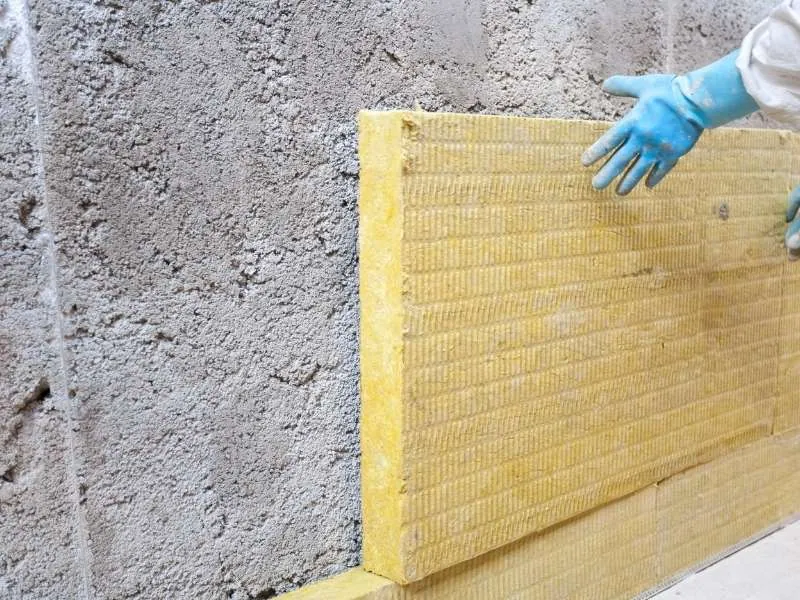
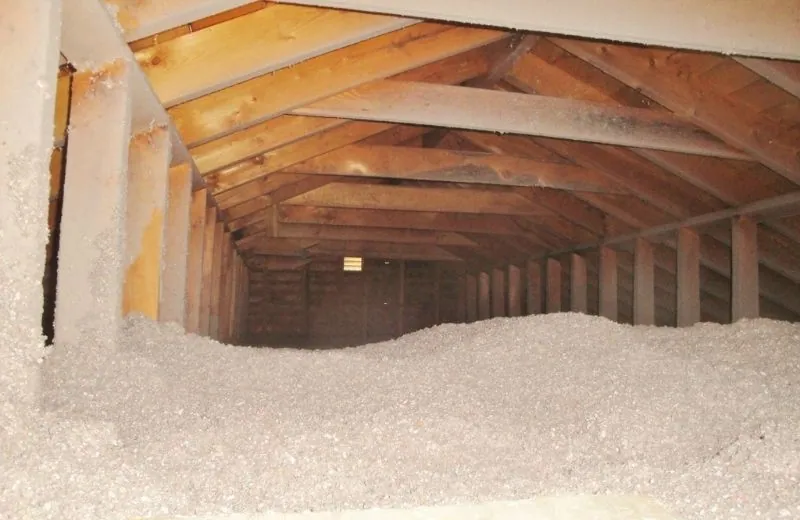
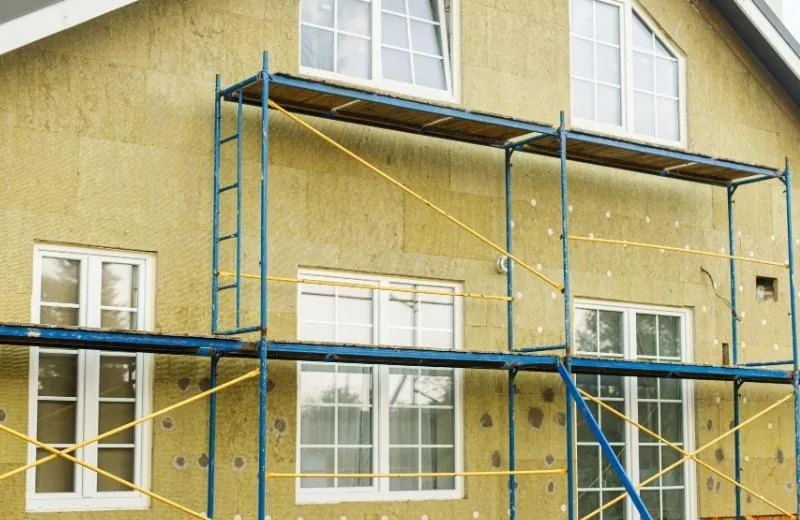
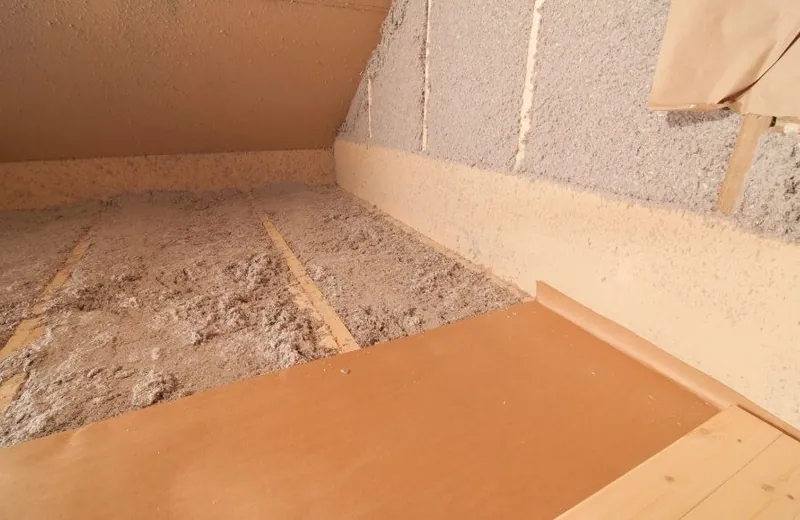
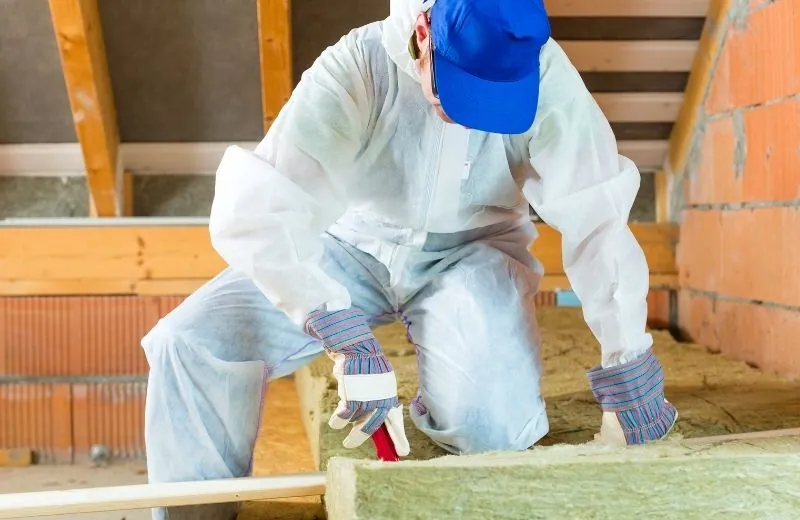
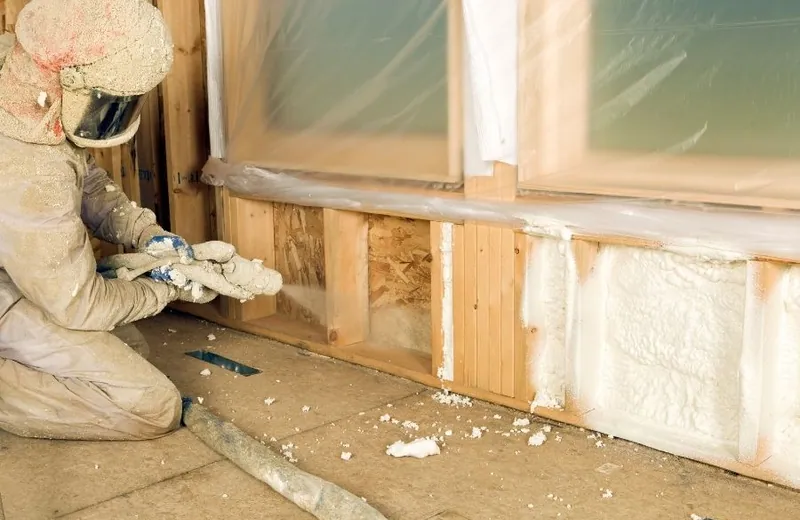
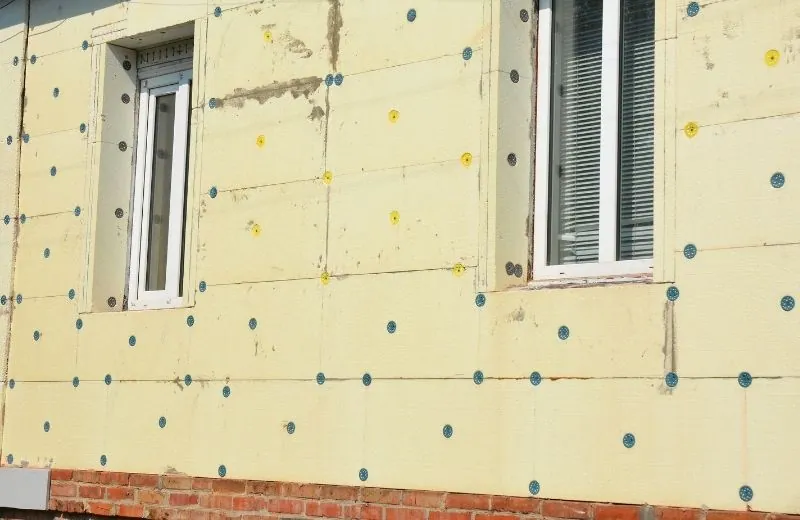
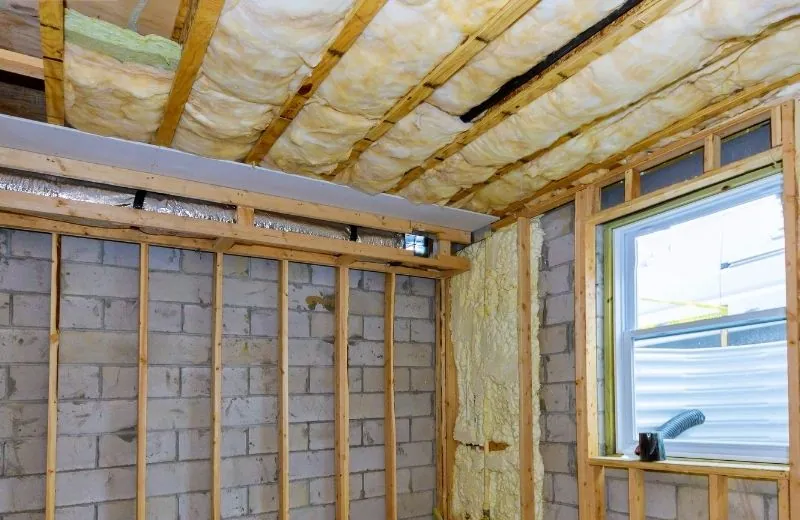
Recent insulation Projects in Signal Hill, CA
Signal Hill Insulation FAQs
How much does attic insulation cost in Signal Hill?
Most straightforward attic top-ups in Signal Hill run about $2,200 to $4,200 for a typical 1,000–1,400 square foot attic, including air sealing and blown-in insulation to around R-38. If the old insulation is contaminated by rodents or soaked from a roof leak, removal, sanitizing, and replacement usually brings the total to $5,000–$9,500. Spray foam on the roof deck costs more, often $6,500 or above. The biggest variables are square footage, what has to be removed, and access. We provide a free, itemized quote after inspecting your attic, and financing is available.
How long does an insulation project take?
Most attic insulation jobs are finished in a single day. Projects that include removing contaminated insulation, sanitizing, and rodent-proofing usually take two to three days. Crawlspace work is typically one to two days, depending on clearance under the floor. If a permit or HOA approval is required, allow one to two weeks of lead time before installation. If HERS verification applies because the work is tied to an HVAC change, the rater's schedule may add a few days at the end. We'll give you a realistic timeline in your quote.
Do I need a permit for insulation in Signal Hill?
It depends on the scope. Signal Hill handles its own permits through the Community Development Department's Building & Safety division, not through Long Beach. Insulation alterations have to meet Title 24 Part 6 for Climate Zone 6. If you're replacing HVAC equipment or reroofing, the code can require upgraded attic insulation, duct sealing, and third-party HERS duct-leakage testing. If your home is in the Crescent Heights Historic District, interior attic and crawlspace work generally avoids the historic design review that applies to exterior changes. We'll tell you exactly what applies to your project.
What R-value should my Signal Hill attic have?
For most attic alterations in Climate Zone 6, Title 24's prescriptive target is around R-38 at the ceiling, though the exact requirement depends on the project type and current code. Many pre-1980 Signal Hill homes have the equivalent of R-11 or less after decades of settling and rodent activity. Because attic heat is the main load here, getting to the target R-value, and sealing air leaks before adding insulation, makes a noticeable difference during fall heat waves and on SCE peak-hour bills.
I hear rats in my attic. Can you just add insulation on top?
No, we don't recommend it. Insulation fouled by droppings, urine, and nesting loses R-value and can release odors and allergens into your home through ceiling penetrations and leaky return ducts. The right fix is to vacuum out the contaminated material, sanitize the attic, seal the rodent entry points, and then install new insulation. Roof rats are common across Signal Hill and Long Beach, so we see this often. If you've heard activity recently, it's a good idea to have pest control handle the active infestation before we start the replacement.
When should I act instead of waiting?
Call right away if you see water stains or sagging ceilings after a storm, smell rodent odors, or find droppings in the attic. Wet or contaminated insulation can lead to mold and air-quality problems, and they get worse over time. If your upstairs becomes unbearable every September, or your new mini-split runs nonstop, schedule an inspection before the next heat wave. Spring and early summer are ideal, because attics are cooler to work in and you'll be ready when fall heat arrives.
How can I prevent insulation problems in the future?
Start with a sealed attic. Closing up the gaps around eaves, vents, and penetrations keeps both rodents and air leaks out. Trim tree branches and palms back from the roofline, and check the attic after the first big winter storm each year. Keep foil radiant barriers and duct jackets in good condition, since marine-layer salt air corrodes them over time. In raised-floor homes, keep foundation vents screened and clear. A quick attic check every year or two catches small problems before they turn into a full replacement.
Is spray foam better than blown-in insulation for my home?
Not necessarily. It depends on the home. Blown-in insulation is the cost-effective choice for most open attic floors, especially in post-war ranches and bungalows. Spray foam makes the most sense when your ducts and HVAC are in the attic, as they are in many hilltop condos and newer slope homes, because foaming the roof deck brings that equipment into conditioned space. It's also good for tight spots where batts won't fit well. After inspecting your home, we'll explain the trade-offs, including cost, R-value, and air sealing, and recommend what fits your budget.
Serving Signal Hill, CA & Nearby
Get Your Free Signal Hill Insulation Quote
Don't wait for the next September heat wave or another high SCE bill. Let's find out what's happening in your attic and crawlspace, and what it will take to fix it.
- ✓A free, no-pressure inspection with photos of what we find
- ✓Clear, itemized pricing with no hidden add-ons
- ✓Recommendations matched to your home's era and construction
- ✓Guidance on Title 24, permits, HOA approvals, and available rebate programs
- ✓A bonded and insured crew that treats your home with care
- ✓Financing available to spread out the cost
- ✓Full cleanup and debris haul-away when the job is done
⚡ Wet insulation after a storm or signs of rodent contamination? Contact us as soon as you can. These problems get worse the longer they're left.
Bonded • Insured